This guide covers Selections bird feeders: single feeders and sets to hang up, and feeding stations on a pole for the lawn. The RSPB advises putting out food and water through winter and spring, when birds find less natural food. It counts 1 November to 30 April as the colder months, when you can add seed to suet and mealworms, so now is the time for a seed feeder.
Our editors choose every product on this page. Some links earn us commission.
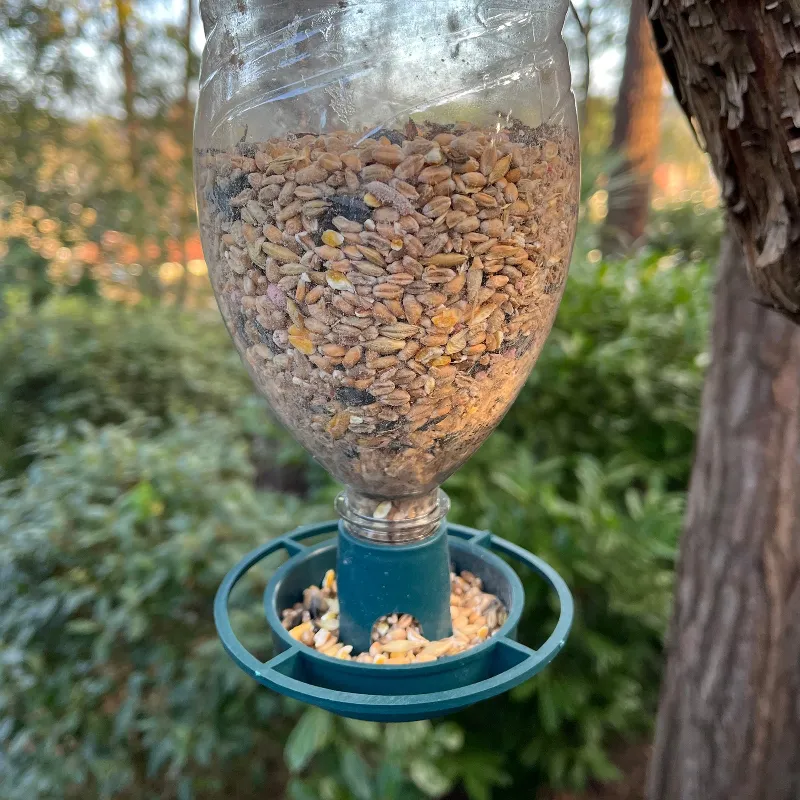
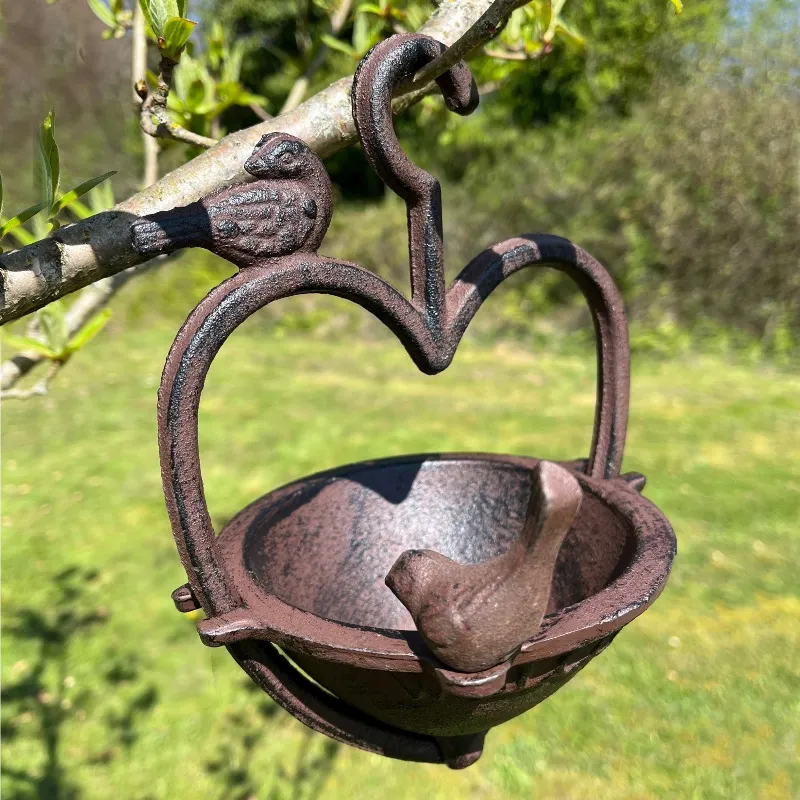
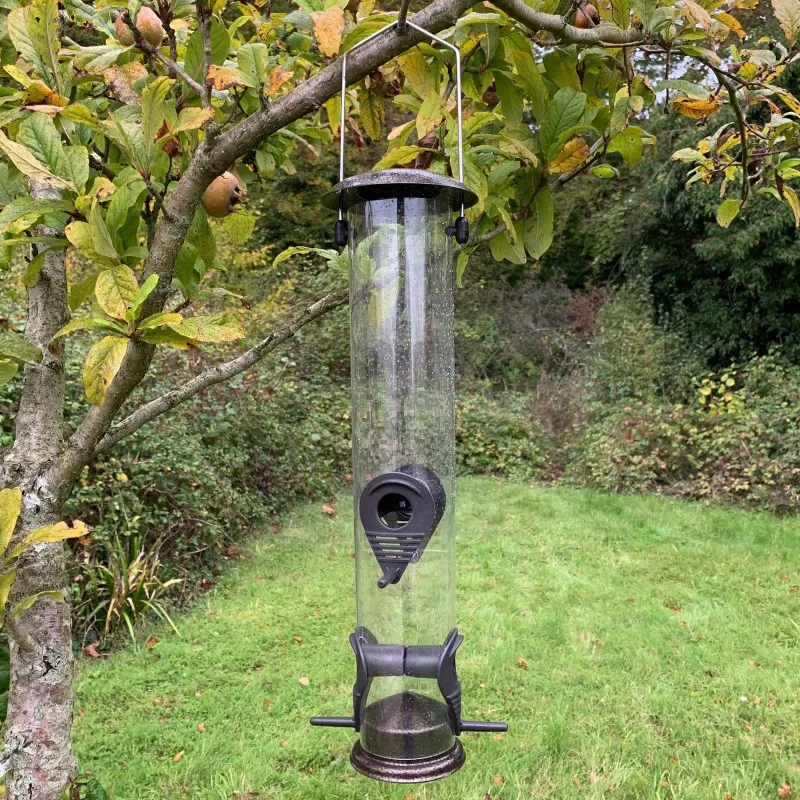
The bottle-top bases cost £2.99 for three when we checked on 26 November and turn any bottle with a 25mm thread into a seed feeder; the bottle isn't included. The cast iron heart, embossed 'Welcome' on both sides, has a deep bowl for seed or mealworms, and the shop says it is heavy enough that squirrels cannot carry it off. For a first feeder we'd pick the tube feeder at £4.99, since it needs no bottle and has a flip top, four feeding ports and a large hook.
Sets of hanging feeders
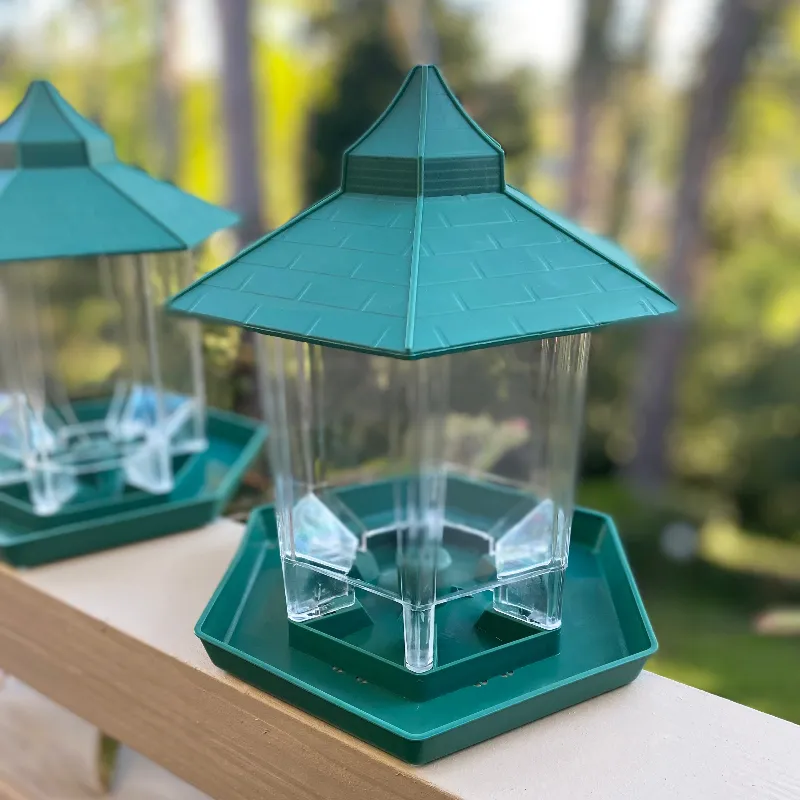
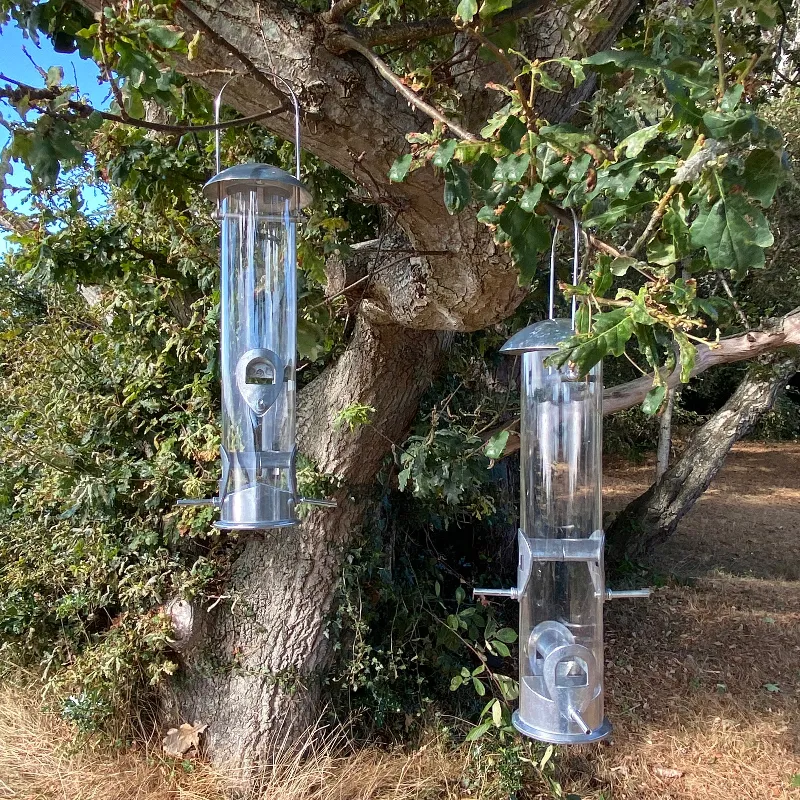
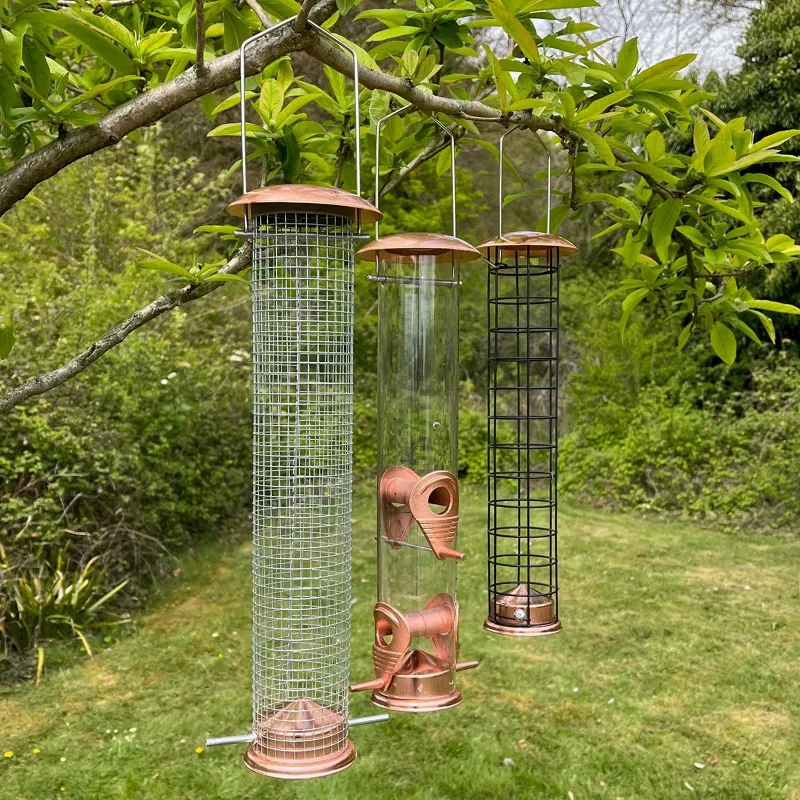
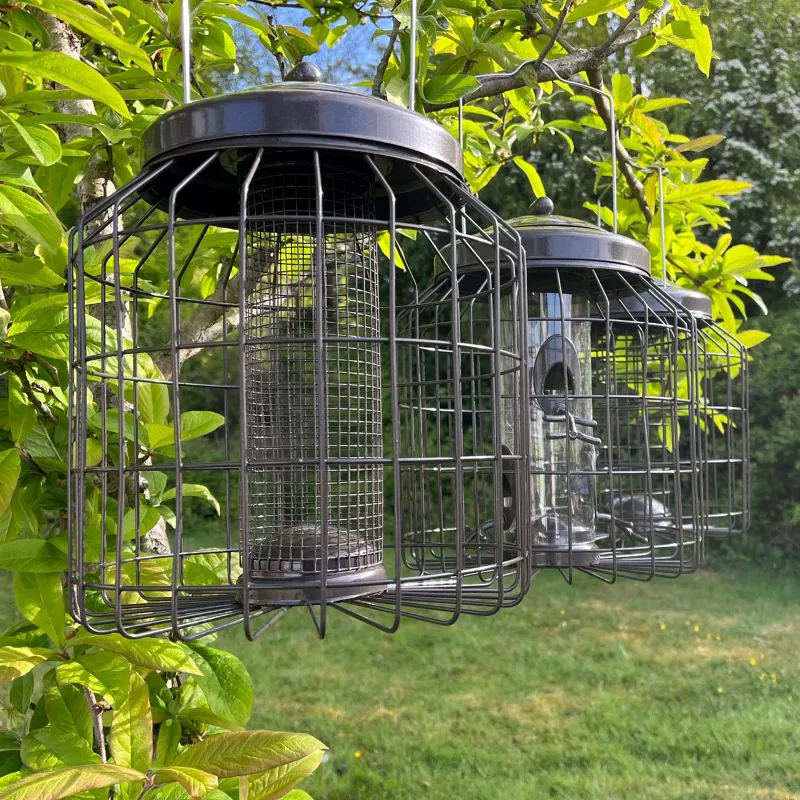
The chalet pair and aluminium pair each hold about 600g per feeder; the chalet lids twist and lock so you can refill them while they hang, and the aluminium tops and bases come off for cleaning with the Allen key provided. The copper trio and caged trio have one feeder each for seed, fat balls and nuts, and the copper set costs £10.98. If squirrels visit, we'd choose the caged set at £36.99: its cage sits 8cm from the food, which the shop says makes it harder for squirrels to reach and keeps out starlings, pigeons and jackdaws.
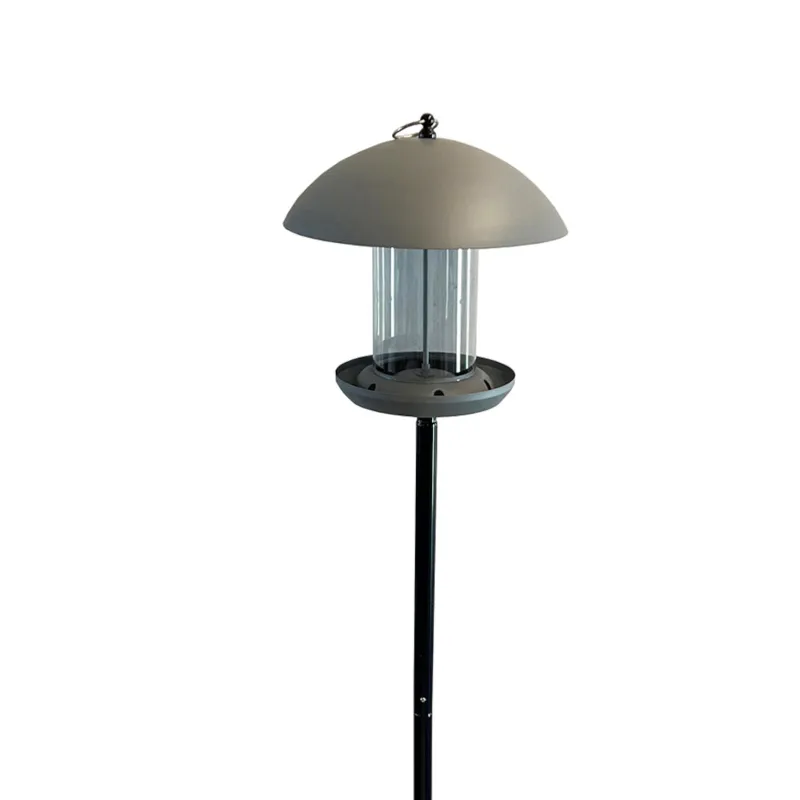
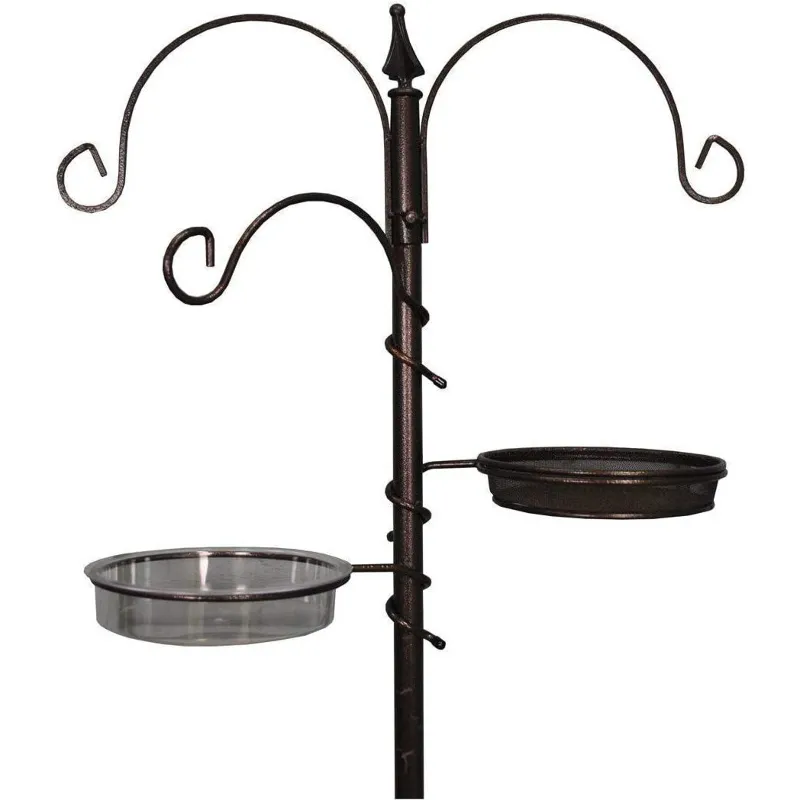
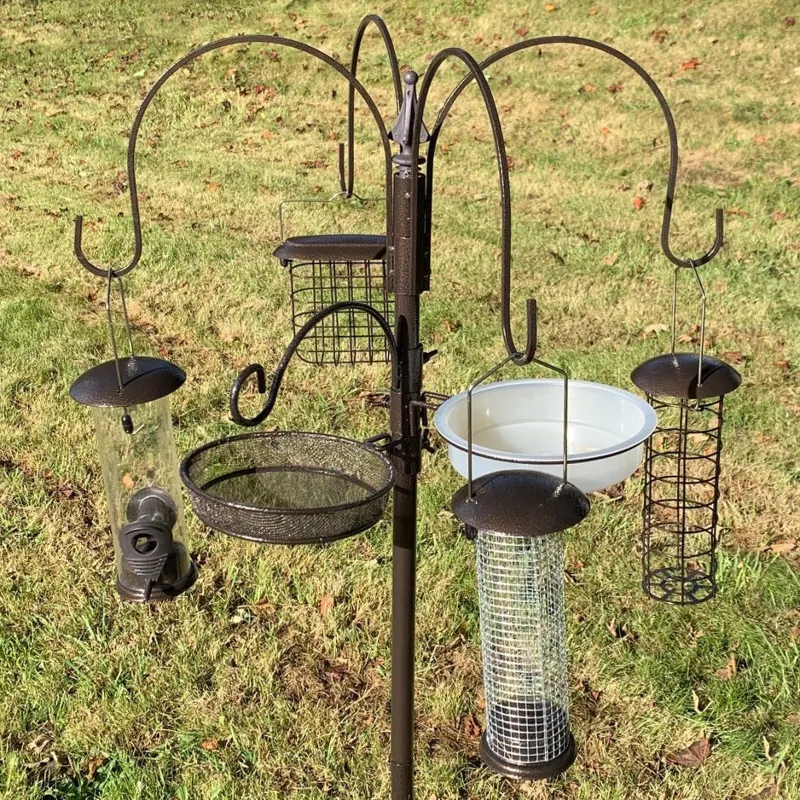
The pole-mounted feeder is one seed feeder on a 1m pole that pushes into the ground, and the shop says the pole makes it harder for squirrels to reach the food if it stands 10 feet from anywhere they could jump from. The steel station is 190cm tall, with a water dish, a mealworm dish and a double hook for feeders such as the tube feeder, which is made for Selections' metal stations. The complete station stands 2.4m high with four feeders, a water dish, a mealworm tray and a hanger, and butterfly bolts let you move each support by hand.